
Global DragonM · Independent vertical publication
Choose technology around the person and the routine.
Independent coverage of assistive technology, accessible interfaces, mobility support, communication tools, and practical adoption at home.
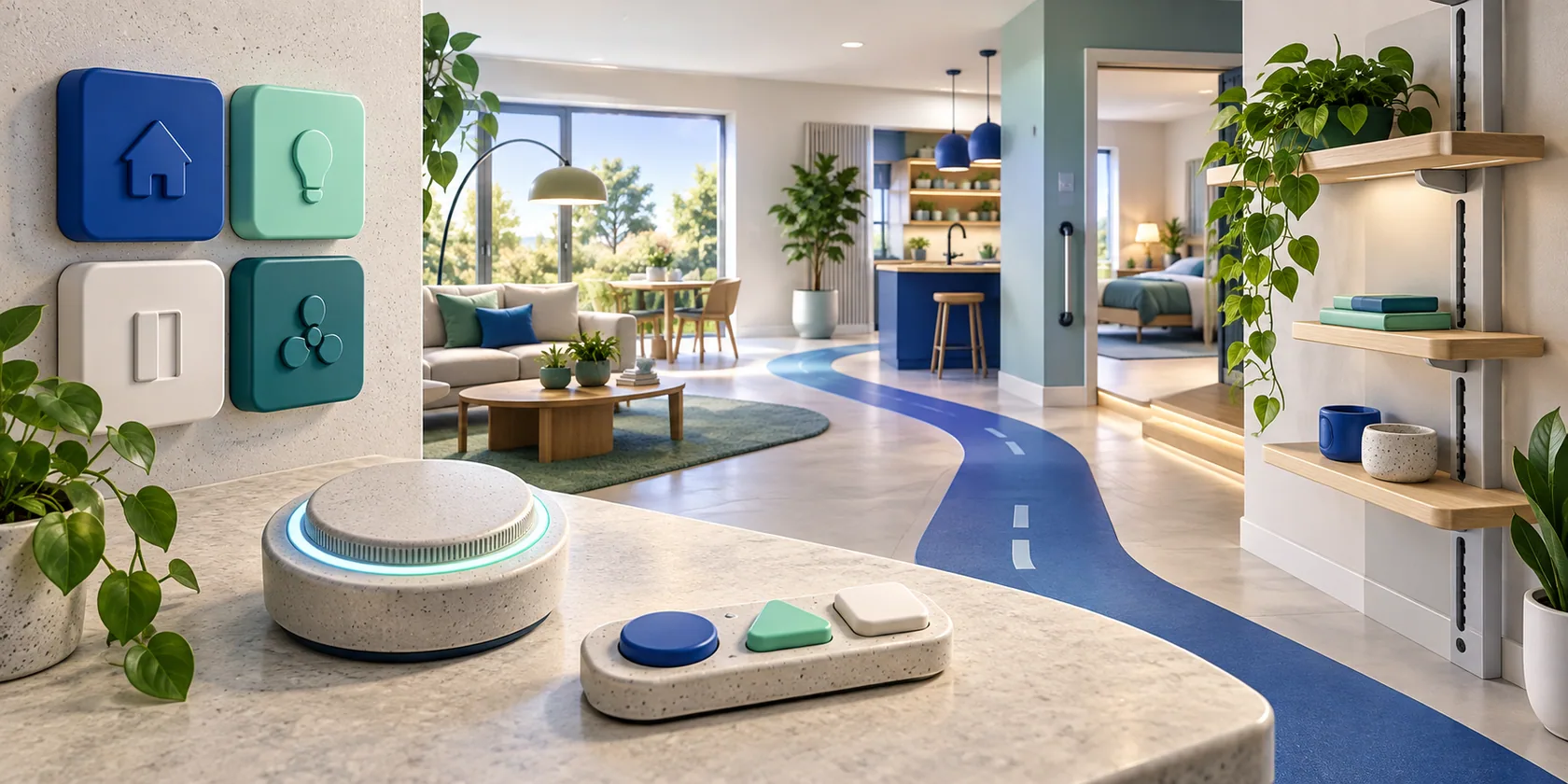
Editorial desk
A clearer way to think about accessible interfaces
Topic navigation
Explore Assistive Tech & Living by topic
10 focused desks organize the published guidance and scheduled coverage for Assistive Tech & Living.
Voice Assistant
Published guides, checklists, and practical analysis for voice assistant.
Open topic →Smart Lock
Published guides, checklists, and practical analysis for smart lock.
Open topic →Mobility Aids
Published guides, checklists, and practical analysis for mobility aids.
Open topic →Reaching Tools
Published guides, checklists, and practical analysis for reaching tools.
Open topic →Smart Reminders
Published guides, checklists, and practical analysis for smart reminders.
Open topic →Accessible Furniture
Published guides, checklists, and practical analysis for accessible furniture.
Open topic →Home Robots
Published guides, checklists, and practical analysis for home robots.
Open topic →Kitchen Aids
Published guides, checklists, and practical analysis for kitchen aids.
Open topic →Bathroom Aids
Published guides, checklists, and practical analysis for bathroom aids.
Open topic →Emergency Contact
Published guides, checklists, and practical analysis for emergency contact.
Open topic →Editor's selection
View all articles →Start with these assistive tech & living guides
 Voice Assistant
Voice Assistant
Voice Assistant: Home Guide
Quick answer For voice assistant, begin with the real routine and the physical environment. Review wake word, microphone reach, and privacy, make low risk and reversible changes first, and involve an appropriate professional when pain, instability, breathing, cognition, recovery, or another clinical
Read article → Voice Assistant
Voice Assistant
Voice Assistant: Home Checklist
Quick answer For voice assistant, begin with the real routine and the physical environment. Review wake word, microphone reach, and privacy, make low risk and reversible changes first, and involve an appropriate professional when pain, instability, breathing, cognition, recovery, or another clinical
Read article → Voice Assistant
Voice Assistant
Voice Assistant: Layout Guide
Quick answer For voice assistant, begin with the real routine and the physical environment. Review wake word, microphone reach, and privacy, make low risk and reversible changes first, and involve an appropriate professional when pain, instability, breathing, cognition, recovery, or another clinical
Read article →Practical briefing
A clearer way to think about accessible interfaces
Good decisions begin with a defined question, comparable evidence, and a next step that fits the real situation.
01
Define the decision before collecting more information.
02
Separate verified facts from assumptions and promotional claims.
03
Keep a short record of what changed, when, and why.
Latest resources
Open the library →